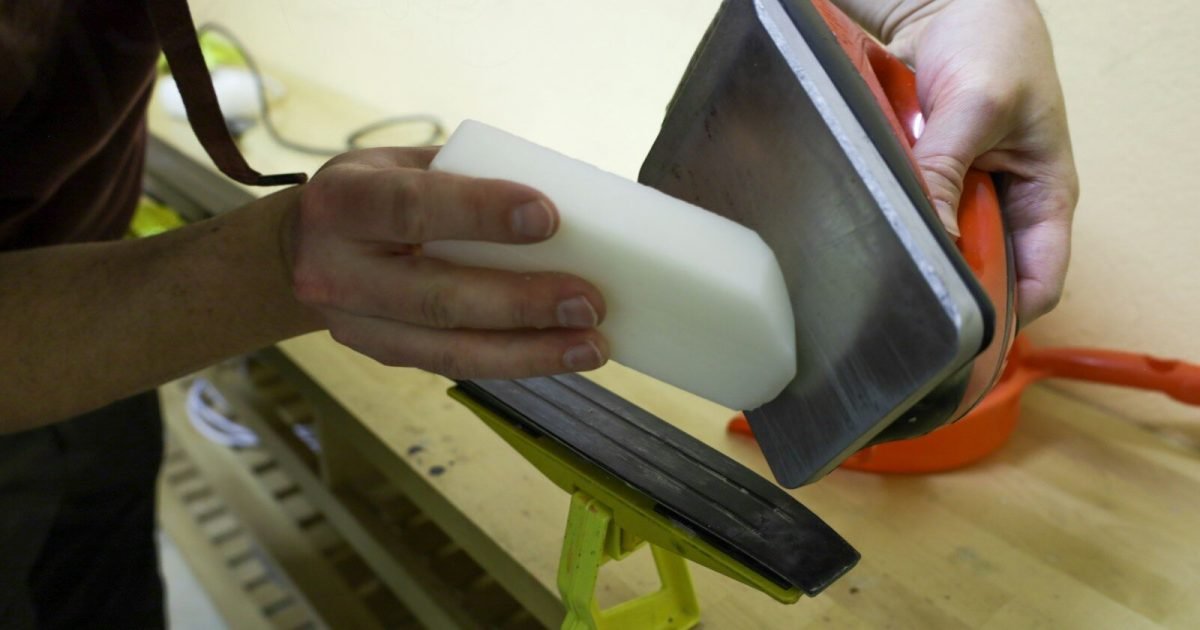
A well-maintained snowboard turns more easily, glides faster and lasts many more seasons. Basic snowboard maintenance is not complicated, and most of it can be done at home with a few inexpensive tools. Below we cover waxing, edge tuning, base repair, cleaning, storage and transport, plus a simple schedule to follow through the season.
Why Snowboard Maintenance Matters
- Better glide: A waxed base slides faster and more smoothly, especially on flat sections.
- Better grip: Sharp edges hold on hard snow and ice.
- Longer life: Wax protects the base from drying out, and dry storage prevents rust.
- Safer riding: Loose bindings and damaged edges can cause falls.
Snowboard Maintenance Tools
| Tool | Used For |
|---|---|
| Waxing iron | Melting wax onto the base |
| Snowboard wax | Glide and base protection |
| Plastic scraper | Removing excess wax |
| Nylon or brass brush | Opening the base structure after scraping |
| Edge tuner and diamond stone | Sharpening and smoothing edges |
| P-Tex candle or repair kit | Filling base scratches and gouges |
| Screwdriver | Tightening bindings |
How to Wax a Snowboard
Waxing is the most important maintenance job. Here is the basic hot-wax method:
- Clean the base: Wipe away dirt and old wax with a base cleaner or a cloth.
- Secure the board: Lay it base-up on a stable surface, ideally with the bindings removed or supported.
- Melt the wax: Hold the wax against the iron and drip it along the base.
- Iron it in: Move the iron slowly and steadily from tip to tail. Never let it sit in one spot.
- Let it cool: Leave the board for at least 30 minutes, ideally longer.
- Scrape: Use a plastic scraper from tip to tail to remove excess wax.
- Brush: Brush tip to tail to reveal the base structure for maximum glide.
Pick the right wax: Choose wax for the snow temperature. Cold wax suits icy, freezing conditions, while warm wax suits wet spring snow. All-temperature wax is a great choice for beginners.
How to Tune Snowboard Edges
Edges become dull or burred after hitting rocks or riding icy snow. To tune them, run a diamond stone along the edge to remove burrs, then use an edge tuner set to your board’s angle, commonly around 88 to 90 degrees on the side edge. Work in long, even strokes. Many riders lightly detune the edges near the tip and tail so the board does not feel grabby. If you are unsure, a ski shop can tune your edges with a machine.
How to Repair Base Damage
Small scratches are cosmetic, but deeper gouges let water reach the core and slow your board down. Clean the area, light a P-Tex candle and drip melted P-Tex into the gouge. Once it cools, scrape it flush with the base. Core shots, where you can see the wood, should be repaired by a professional.
Cleaning and Drying Your Snowboard
After each riding day, wipe the board dry, paying attention to the edges. Do not leave it in a hot car or next to a heater, as extreme heat can damage the base and glue. Let it dry at room temperature before storing.
Checking Your Bindings
Binding screws can loosen during the season. Check them every few days of riding and tighten them with a screwdriver. Also check straps and ratchets for cracks or wear.
Snowboard Storage at the End of the Season
- Clean and dry the board thoroughly.
- Apply a thick “storage wax” layer and do not scrape it off.
- Loosen binding straps to reduce stress.
- Store in a cool, dry place away from direct sunlight.
- Keep it in a board bag to protect the edges.
Scrape and brush the storage wax off before your first ride next season.
How to Transport a Snowboard
Use a padded board bag for flights and road trips. On roof racks, mount the board base-up with bindings facing down where possible, and protect it from road salt with a bag or by wiping it clean after driving.
Snowboard Maintenance Schedule
| How Often | Task |
|---|---|
| After every day | Wipe dry, check for damage |
| Every 3–5 days | Hot wax, check binding screws |
| Every 10–15 days | Edge tune |
| As needed | Base repair |
| End of season | Storage wax, clean and store dry |
DIY or Professional Service?
Home waxing is easy, cheap and quick once you have the basic tools, and it keeps your board gliding well between professional services. Edge tuning takes a little more practice. A professional shop tune uses a stone grinder to flatten the base and restore the structure, which is worth doing once or twice a season or after hitting rocks. A good approach for most riders is to wax at home regularly and book a full shop service at the start of each season.
Maintenance Questions
How often should you wax a snowboard?
Every three to five riding days, or whenever the base looks white and dry.
Can I wax my snowboard without an iron?
Yes, rub-on or paste waxes work as a quick fix, but hot waxing lasts much longer.
How much does a snowboard tune cost?
Shop prices vary by resort and region. Many riders do regular waxing at home and pay for a full professional tune once or twice a season.
Still choosing a board? See our snowboard size chart.