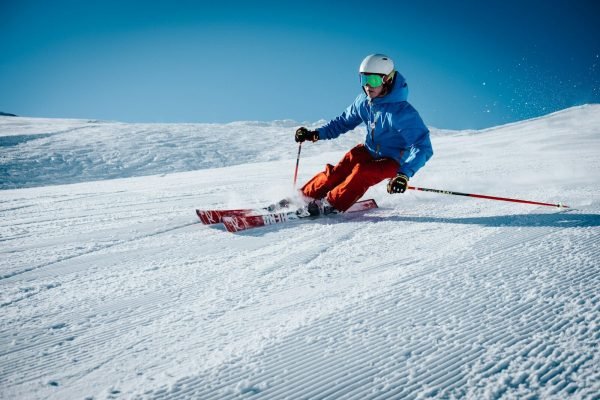
Skiing is a great workout, but it asks a lot of your legs, core and lungs. Arriving at the mountain with some ski-specific fitness means more energy, better technique, fewer sore muscles and a lower risk of injury. Below is a simple plan you can start six to eight weeks before your trip, at home or in the gym.
Why Train for Skiing?
- Stronger legs: Hold a good stance for longer and ski more runs.
- Better balance: React faster to bumps and changes in snow.
- Injury prevention: Strong muscles help protect knees and joints.
- More stamina: Enjoy full days instead of fading after lunch.
- Altitude: Better cardio fitness helps you cope with thinner air at high resorts.
The Key Muscles Used in Skiing
Skiing mainly works your quadriceps, hamstrings, glutes, calves and core. Your quads hold your bent-knee stance, your glutes and hamstrings stabilize your hips and knees, and your core keeps your upper body quiet and balanced as your legs turn beneath you.
Best Exercises to Train for Skiing
1. Wall sits
Sit against a wall with knees at roughly 90 degrees and hold. This builds the quad endurance you need for long runs. Start with 30 seconds and build up to 90 seconds.
2. Squats
Bodyweight or weighted squats build leg strength. Keep your chest up and push your knees out in line with your toes. Aim for 3 sets of 12 to 15.
3. Lunges
Forward, reverse and lateral lunges strengthen each leg individually and improve balance. Lateral lunges are especially useful because skiing involves side-to-side movement.
4. Skater jumps
Leap sideways from one leg to the other, landing softly. This plyometric move mimics turning and builds power and agility.
5. Single-leg deadlifts
These strengthen hamstrings and glutes while challenging your balance, helping to protect your knees.
6. Planks and side planks
A strong core keeps you stable on your skis. Hold front and side planks for 30 to 60 seconds.
7. Cardio intervals
Cycling, running, rowing or stair climbing in intervals builds the stamina you need for long days and high altitude.
Sample 6-Week Ski Fitness Plan
| Week | Focus | Sessions per Week |
|---|---|---|
| Weeks 1–2 | Build a base: squats, lunges, planks, steady cardio | 3 |
| Weeks 3–4 | Add strength and balance: single-leg work, wall sits, intervals | 3–4 |
| Weeks 5–6 | Power and agility: skater jumps, box jumps, longer wall sits | 3–4 |
| Trip week | Light mobility and stretching only | 1–2 |
Safety note: If you have an existing injury or health condition, speak to a doctor or physiotherapist before starting a new training program.
Don’t Forget Flexibility and Mobility
Stretching your hip flexors, hamstrings, quads and calves improves your range of motion and reduces stiffness. A short yoga or mobility routine a few times a week helps a lot, both before and during your trip.
Ski Safety Tips on the Mountain
- Warm up with gentle runs before tackling harder terrain.
- Always wear a helmet.
- Ski within your ability and stay in control.
- Follow the skier responsibility code and give way to people below you.
- Stay hydrated and wear sunscreen, especially at altitude.
- Take breaks. Many injuries happen on the last run of the day when legs are tired.
How Many Calories Does Skiing Burn?
Downhill skiing can burn roughly 300 to 600 calories per hour depending on your weight, intensity and terrain. Cross-country skiing burns even more, often 500 to 900 calories per hour. It is one of the most enjoyable ways to stay active in winter.
Recovery During Your Ski Trip
- Stretch gently at the end of each day.
- Eat a balanced meal with protein and carbohydrates.
- Drink plenty of water, as altitude increases dehydration.
- Get good sleep to recover for the next day.
Training at Home vs in the Gym
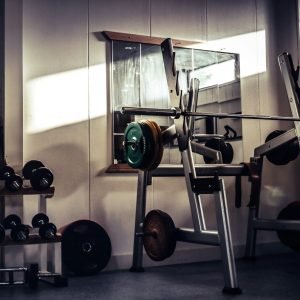
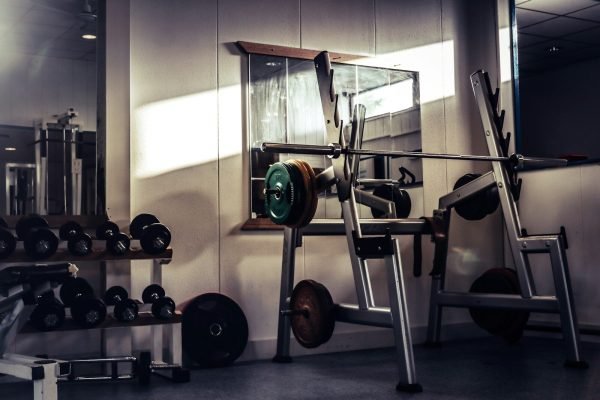
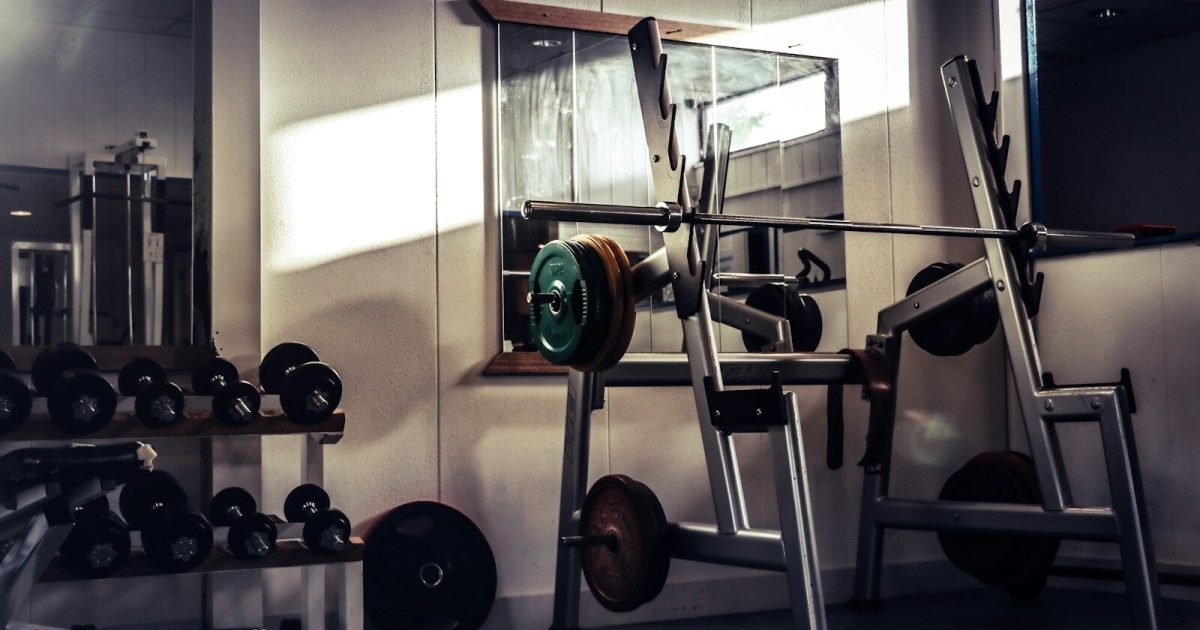
You do not need a gym membership to get ski fit. Squats, lunges, wall sits, planks, skater jumps and step-ups can all be done at home with no equipment. A set of stairs works well for cardio intervals, and a resistance band adds challenge to glute and hip exercises. If you do use a gym, the leg press, cable machines, rowing machine and stationary bike are useful additions. Whichever you choose, consistency matters more than intensity. Three focused sessions a week for six weeks will make your first ski days far more enjoyable than one hard session the week before you travel.
Ski Fitness Questions
How long before a ski trip should I start training?
Ideally six to eight weeks before your trip, but even two or three weeks of training helps.
What is the best single exercise for skiing?
Squats and wall sits are excellent because they build the quad strength and endurance skiing demands.
Is skiing a good workout?
Yes. It works your legs, core and cardiovascular system while improving balance and coordination.
Pair your training with good technique using our how to ski guide.